Text to Bail or Call to Cancel: The Five-Second Decision That's Quietly Torching Your Friendships
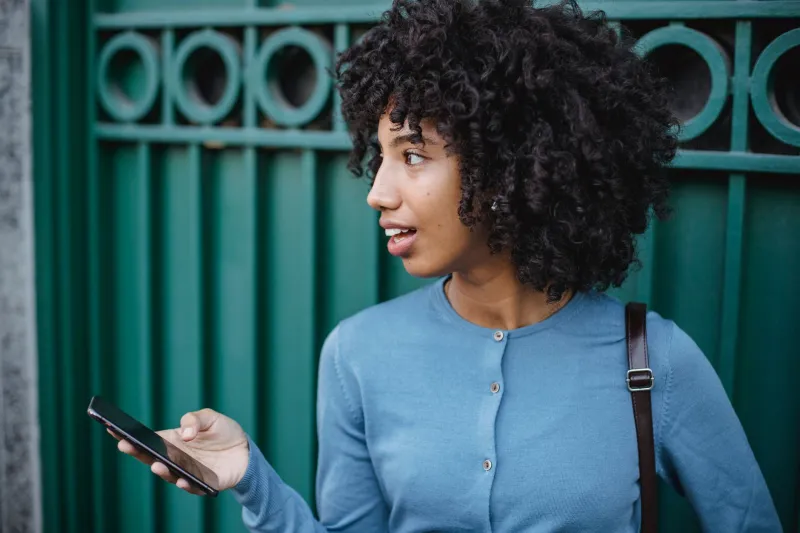
Picture the scenario. It's 4:30 on a Friday afternoon. You have dinner plans at 7. You're exhausted, you're overwhelmed, and you genuinely cannot make yourself get dressed and go be a person in public tonight. You need to cancel.
You pick up your phone. And then — right there, in that moment — you face one of the most quietly contentious decisions in modern social life.
Do you text? Or do you call?
This might sound like a trivial question. It is not. The method you choose to deliver your cancellation carries meaning — and depending on who's on the receiving end, that meaning can land anywhere on a spectrum from "totally fine, no worries" to "I'm genuinely hurt and I'm not sure we're as close as I thought."
Why This Became a Thing
For most of human history, canceling plans required either a phone call or, in truly extreme circumstances, showing up in person to explain yourself. The social contract was clear: if you committed to something and then backed out, you owed the other person your voice. Not a lot of your voice, just enough to demonstrate that you understood you were inconveniencing them and you felt at least a little bad about it.
Then texting happened. And then smartphones made texting the default mode of communication for most people under 50. And somewhere in that transition, the rules got murky.
For a significant portion of millennials and virtually all of Gen Z, a text cancellation isn't just acceptable — it's actually preferable. It's clean. It's low-pressure. It gives both parties time to process and respond without the awkwardness of real-time vocal emotion. A well-crafted cancellation text can be warm, apologetic, and completely functional without requiring either person to perform feelings they may not have the bandwidth for at 4:30 on a Friday.
For another significant portion of the population — including many older millennials, most Gen Xers, and essentially all Boomers — a text cancellation registers as a dismissal. A phone call says: you matter enough to me that I'll be uncomfortable for three minutes to do this right. A text says: I handled this between checking my email and scrolling Instagram.
"I had a friend cancel on me via text after we'd had plans for two weeks," says Renee, a 41-year-old teacher from Nashville. "Two weeks. I'd already told my husband I'd be out. I'd been looking forward to it. And I got a text. I texted back 'no worries!' and then I cried a little, which I realize sounds dramatic but also — it was a little dramatic of her."
The Case for Texting First
Let's steelman the text cancellation, because it deserves a fair hearing.
First: phone calls are interruptive in a way that texts are not. When you call someone unexpectedly, you are demanding their attention in real time, regardless of what they're doing. They might be in a meeting. They might be driving. They might be in the middle of a hard conversation with someone else. A text arrives on their schedule. It respects their time and their context in a way that a surprise phone call simply doesn't.
Second: for people with phone anxiety — and this is a documented, widespread experience, particularly among younger adults — an unexpected phone call to deliver bad news is genuinely stressful. It requires improvisational emotional performance. A text allows you to communicate the same information thoughtfully, with care, without the added cognitive load of managing vocal tone and real-time reactions simultaneously.
Third: the text creates a record. Both parties can re-read it. There's no ambiguity about what was said, no "I thought you said" moments. It's clean documentation of a social transaction, which sounds cold but is actually kind of useful.
"My anxiety around phone calls is real," says Jordan, a 27-year-old graphic designer from Portland. "A phone call to cancel plans would make me spiral for an hour beforehand. The text lets me say what I actually mean without freezing up. I'm not being dismissive — I'm communicating in the way I communicate best."
The Case for Picking Up the Phone
Now here's the counter.
A phone call communicates effort. It communicates that you're aware you're letting someone down and you're willing to be present for that — even briefly, even awkwardly. There's something about the human voice that carries emotional weight that text simply cannot replicate, no matter how many carefully chosen words or well-placed emojis you deploy.
Etiquette experts — yes, they still exist, and they have a lot of feelings about this — tend to land on the side of a phone call for any cancellation that involves significant lead time, effort, or emotional investment from the other party. The closer the cancellation is to the actual plans, the more a call is warranted. Canceling two hours before dinner is different from canceling two days before. The former demands a call. The latter might reasonably survive a text.
"The medium is part of the message," says Claire Watkins, a social etiquette consultant based in New York who works with both corporate and personal clients. "When you choose how to communicate something, you're communicating something about how you feel about it. A text cancellation isn't inherently rude, but in certain contexts, it signals a level of casualness that the other person may not share about the situation."
Therapists add another dimension: the phone call, even an uncomfortable one, is a form of accountability. It closes the loop in a way that a text thread — which can trail off into read receipts and ambiguous "no worries" responses — doesn't always manage. The voice call forces a genuine exchange. Both people know where they stand.
The Generational Chasm in Real Time
What makes this debate particularly rich is that it's actively playing out across generational lines within the same friend groups. A millennial who came of age texting may have a best friend who's five years older and still considers a phone call the baseline of social respect. Neither of them is wrong according to the norms of their formative years. Both of them feel genuinely misread when the other person doesn't meet their expectations.
This gap also maps onto relationship depth in interesting ways. Many people report that they'd text-cancel on a casual friend without a second thought but would call a close friend, recognizing that the intimacy of the relationship demands more. Which means the cancellation method itself has become an inadvertent signal of where you think a friendship ranks — which is information the other person is absolutely reading, whether you intended to send it or not.
"When my close friend texted to cancel our birthday dinner," says Marcus, a 36-year-old from Atlanta, "I didn't say anything. But I noticed. And I think that's when I started realizing we maybe weren't as close as I thought we were."
So What's the Move?
Here's the honest answer: there isn't one universal right answer, and that's exactly why this keeps causing friction.
The best framework, if you want one, is probably this: consider the other person's communication preferences, not just your own. If your friend is a caller, call them. If your friend is a texter, text them. The courtesy isn't in the method itself — it's in the attentiveness to what the other person actually needs.
But that requires a level of social attunement that, frankly, is hard to maintain at 4:30 on a Friday when you're tired and just want to cancel your plans and eat cereal on the couch.
And so the debate continues. Your move.