Flip-Flops or Foot Freedom: The Gym Shower Showdown Nobody Asked For But Everyone Has Opinions About
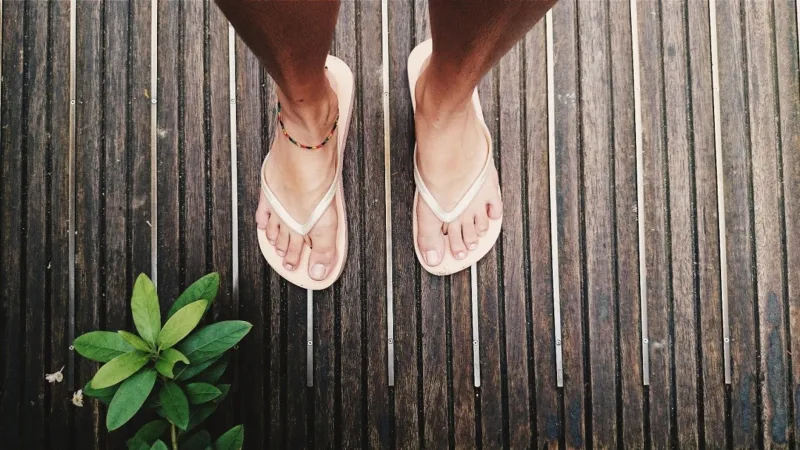
There's a moment — maybe you've lived it — where you glance down at the person next to you in the gym locker room and notice they're standing on the tile completely barefoot. No flip-flops. No shower sandals. Just ten unprotected toes making direct contact with a surface that has seen things. Your stomach turns. Or maybe you're the barefoot one, watching some overprepared gym-goer snap on their $4 drugstore sandals and thinking, relax, it's fine.
Either way, you've just entered one of the most quietly contentious debates in American fitness culture. Welcome to Squabbles. Pull up a (shower) chair.
The Case for Shower Shoes (And It's a Strong One)
Let's start with the flip-flop faithful, because honestly, their argument hits hard — mostly because it involves fungus.
Athlete's foot, or tinea pedis if you want to sound like you went to med school, is a fungal infection that thrives in exactly the kind of warm, moist environment that communal gym showers provide. According to dermatologists, the fungus can survive on wet surfaces long enough to hitch a ride on your bare feet before you even realize what happened. And that's just the starter pack. We're also talking about plantar warts, caused by the human papillomavirus, which spreads through direct contact with contaminated surfaces. The gym shower floor is basically a petri dish in tile form.
Shower shoe advocates aren't being dramatic. They're being epidemiologically reasonable. The American Academy of Dermatology has literally recommended wearing footwear in communal showers for years. This isn't a niche opinion — it's basic hygiene science dressed up in rubber soles.
Then there's the social contract argument. When you choose to go barefoot in a shared space, you're not just making a decision for yourself. You're participating in a communal ecosystem. What you track in — and what you leave behind — affects every single person who steps into that shower after you. Barefoot advocates love to talk about personal freedom, but freedom in a shared space has limits, and those limits are usually drawn somewhere around communicable skin infections.
The Case for Going Barefoot (Yes, People Have One)
Here's where it gets interesting, because the barefoot contingent is not without logic.
First, there's the flip-flop hygiene paradox. If you're wearing the same pair of shower sandals week after week without properly cleaning and drying them between uses — and let's be honest, most people are not doing that — those sandals can become just as contaminated as the shower floor itself. Wet rubber that doesn't dry completely is a mold and bacteria playground. You might be strapping a petri dish directly to your foot and feeling smug about it.
Then there's the sensory and practical argument. Shower shoes, particularly cheap ones, can be slippery on wet tile. There's a real argument to be made that a barefoot grip is actually safer in terms of preventing falls, which are a genuine concern in slick shower environments. Ask any physical therapist about fall risk in wet environments and they'll tell you grip matters.
Some people also point to cultural background. In certain households and communities across the US, showering barefoot is simply the norm — always has been. The assumption that everyone grew up with a drawer full of Old Navy flip-flops designated for communal use is a pretty specific kind of cultural privilege.
The Regional Divide Nobody's Talking About
Here's a fun wrinkle: where you grew up in America might have a lot to do with which side of this debate you fall on.
In warmer, coastal states like Florida, California, and Texas, flip-flops are practically a lifestyle. They're already on your feet half the time, so sliding them into the shower feels natural. But in colder, Midwestern and Northeastern states where flip-flops are seasonal at best, the whole concept of designated shower footwear might feel foreign or even excessive.
College dorms in the US have long been the training ground for shower shoe culture. Anyone who lived in a residence hall with communal bathrooms has probably been lectured by an RA or a well-meaning roommate about the importance of shower sandals. For a lot of people, that's where the habit gets locked in — or where they decide it's overkill and never bother.
What the Gym Staff Actually Think
Facility managers and gym staff have their own feelings about this, and those feelings are largely resigned exhaustion.
Many gyms post signs strongly encouraging shower footwear, but enforcement is somewhere between impossible and not worth the confrontation. Staff aren't going to stand in the locker room doorway inspecting feet. What they will do is quietly increase cleaning frequency and stock more antifungal spray — a silent acknowledgment that the barefoot crowd exists and isn't going anywhere.
Some higher-end gyms have taken a different approach, investing in antimicrobial flooring and UV sanitation systems specifically to reduce the risk of surface contamination. It's a costly workaround for what is, at its core, a member behavior problem that the gym has no real authority to fix.
The Squabbles Verdict (Or Lack Thereof)
Here's the thing about this debate: it's one of those rare cases where the hygiene argument is pretty clearly weighted in one direction — and yet people still fight about it with the passion of a Supreme Court case.
The science leans toward shoes. The cultural reality leans toward chaos. And somewhere in the middle, there are millions of Americans making a split-second decision every time they walk into a gym locker room, either reaching for their flip-flops or deciding that today is not the day they care.
What makes this debate so Squabbles-worthy isn't really about foot fungus. It's about how we navigate shared spaces, how we define courtesy versus overcaution, and how a $6 pair of rubber sandals somehow became a litmus test for whether you're a responsible adult or a chaos agent.
So next time you're standing in the locker room making that choice, just know — someone nearby has opinions about it. Strong ones. And they're probably composing a mental essay about your character based entirely on your footwear situation.
Drop your take in the comments. Flip-flop loyalists and barefoot rebels, this is your arena.