Buckle Up or Brace for Awkward: Why Asking a Backseat Passenger to Wear a Seatbelt Feels Like Starting a Fight
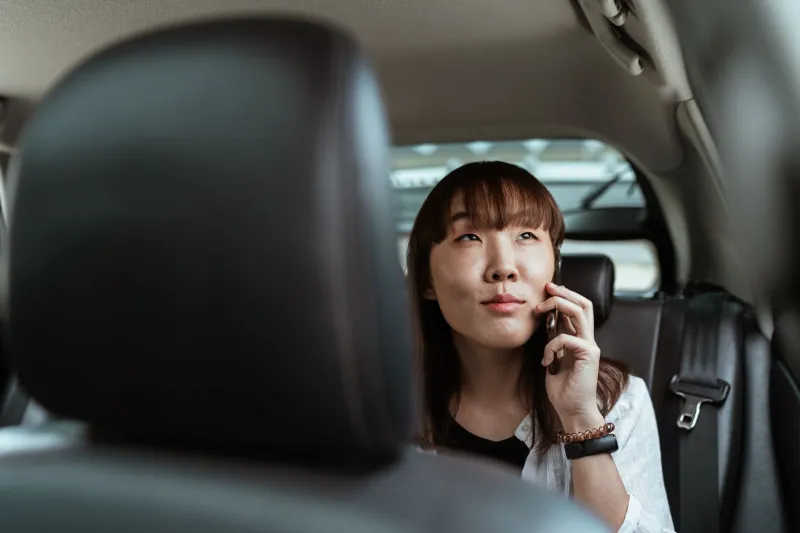
You've been there. You're driving. A friend, a cousin, a coworker you're carpooling with slides into your backseat, shuts the door, and immediately starts scrolling their phone — seatbelt completely untouched, flopping against the seat like it personally offended them. You glance in the rearview mirror. You weigh your options. You consider saying something. You consider not saying something. You spend the next 20 minutes in low-grade social anxiety while they blissfully watch Instagram Reels.
This is the backseat seatbelt situation, and it is somehow one of the most quietly uncomfortable dynamics in everyday American life. Which is absurd, right? It's a safety device. It takes three seconds. And yet asking someone to use it can feel, depending on the relationship and the mood, like you're questioning their autonomy, their intelligence, or their general worth as a human being.
So what is actually going on here?
The Front Seat vs. Back Seat Double Standard
Here's the first thing worth naming: almost nobody hesitates to buckle up in the front seat. It's automatic. You get in, you click it, you move on. The habit is so ingrained that most people reach for the belt before they've even fully sat down.
The backseat is a completely different psychological territory. There's a widespread, largely unexamined belief — especially among adults — that the backseat is safer by default. Further from the windshield. Cushioned by the front seats. Less exposed. And while it's true that rear seats offer some structural advantages in certain crash types, the data is pretty clear that seatbelts save lives regardless of where you're sitting. The NHTSA has documented this for decades. Unbelted rear passengers are significantly more likely to die in serious crashes, and they also become projectiles that endanger front-seat occupants.
But data rarely wins a vibe argument, and the backseat vibe is: relaxed, casual, a little bit above the rules. It's where you sprawl. It's where you nap on road trips. It's where the seatbelt law — which does technically apply to adults in most states, though enforcement is spottier — somehow feels optional in a way it doesn't up front.
Why the Ask Feels So Loaded
Let's talk about why bringing it up is so uncomfortable, because this is really the heart of the squabble.
When you ask a passenger to buckle up, you're stepping into a weird social role. You're the driver, so you have some natural authority over the vehicle — but you're also (usually) a peer, a friend, a family member. The request lands somewhere between host and authority figure, and neither of those is a comfortable place to occupy when you're just trying to get someone to a birthday party.
There's also an autonomy dimension that people feel intensely even when they don't articulate it. Adults in America bristle at being told what to do with their own bodies, even when the request is reasonable and the stakes are real. The backseat passenger who sighs heavily when asked to buckle isn't necessarily reckless — they may just be reacting to the feeling of being managed, which triggers something defensive in a lot of people.
And then there's the other side: the driver who feels genuinely responsible. If something happens, they're behind the wheel. They're the one who'll carry that. Asking a passenger to buckle isn't just about safety in the abstract — it's about not wanting to live with a preventable outcome. That's a completely reasonable feeling, and it deserves more credit than it gets in these moments.
The Generational Split Is Real
Talk to people across different age groups about this and patterns emerge pretty quickly.
Older Gen X and Baby Boomers — many of whom grew up in an era before seatbelt laws were consistently enforced — tend to have a more relaxed attitude about rear-seat belts specifically. They'll wear them, but they don't always reach for them automatically, and they're more likely to feel mildly patronized when reminded.
Millennials are all over the map, often depending on whether they grew up in a household that enforced it or not.
Gen Z, interestingly, tends to be more consistent about buckling everywhere — possibly because they've never known a world without the laws, the PSAs, or the seatbelt chime screaming at them from the dashboard. For many of them, not buckling in the back feels genuinely weird, not just risky.
Regional differences layer on top of this. Rural drivers and passengers in states with weaker enforcement tend to be less consistent about rear belts. Urban riders, particularly in cities where rideshare culture has normalized the backseat-as-passenger-zone, may actually be more habitual about it — partly because Uber and Lyft have made the seatbelt click a familiar ritual.
Real Talk: Stories From the Road
Anecdotally, the stories people share about this are chef's kiss in terms of social awkwardness.
There's the driver who asked a first date to buckle up and got a 10-minute lecture about personal freedom. The parent who still asks their 35-year-old child to put on their seatbelt every single time and gets the same eye-roll every single time, for 15 years running. The friend group where one person always buckles and three don't, and nobody ever says anything because the dynamic is too established to disrupt.
And then there are the stories that aren't funny at all — the ones where someone didn't say anything, something happened, and they've thought about it ever since.
So What Do We Actually Do About This?
Honestly? There's no clean answer, which is very on-brand for Squabbles.
The most reasonable take is probably this: if you're driving, you are allowed to ask. Full stop. It's your car, it's your peace of mind, and the request is backed by physics and federal safety data. You don't need to be apologetic about it.
And if you're the passenger being asked? Just buckle the thing. Save the autonomy argument for something that actually costs you something. A seatbelt click is not the hill.
But of course, knowing the reasonable answer and actually navigating the moment are two very different things — which is exactly why this keeps coming up, keeps getting awkward, and keeps generating the kind of low-stakes, high-emotion friction that makes life genuinely interesting.
Tell us your worst backseat seatbelt story in the comments. We know you have one.