Sweet, Tangy, and Absolutely Unhinged: The Real Reason Pineapple Pizza Breaks the Internet Every Time
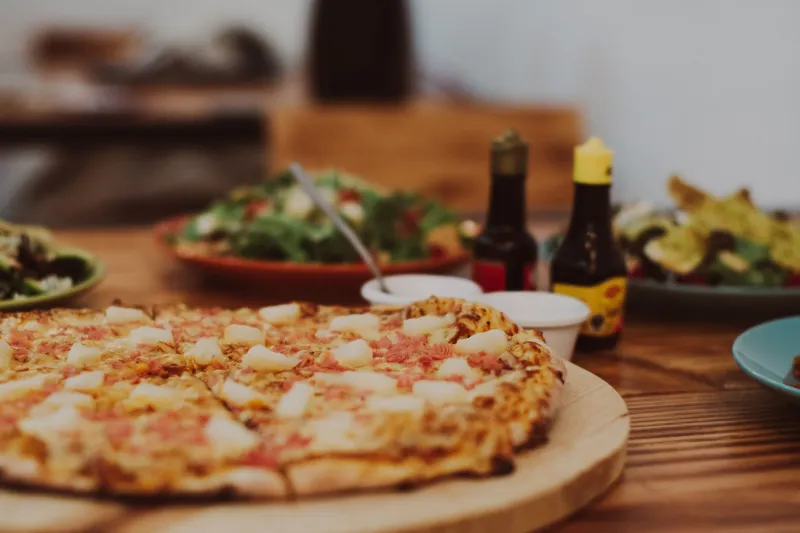
Let's get something straight right out of the gate: pineapple pizza did not ask for this level of attention. It is, at its core, a fairly simple combination of dough, tomato sauce, cheese, ham, and canned fruit. And yet somehow, in the grand tradition of American internet culture, it has become a personality trait, a political metaphor, and a legitimate litmus test for whether someone can be trusted.
This is the world we live in. And here at Squabbles, we wouldn't have it any other way.
A Brief, Undramatic History of a Very Dramatic Topping
Before we get into the fighting, let's do a quick origin check. The Hawaiian pizza — pineapple plus ham, typically — was invented in 1962 by Sam Panopoulos, a Greek-Canadian restaurant owner in Ontario. Not Hawaiian. Not Italian. Canadian. This fact alone causes a certain percentage of people to short-circuit.
Panopoulos reportedly got the idea from Chinese-American dishes that combined sweet and savory flavors, slapped it on a pizza, and called it a day. The name "Hawaiian" came from the brand of canned pineapple he used. That's it. That's the whole origin story. No ancient tradition, no culinary philosophy — just a guy experimenting in a pizza joint in Ontario, probably on a Tuesday.
And yet here we are, six decades later, still arguing about it like it's a constitutional amendment.
The Case for Pineapple (Yes, We're Going There)
Look, the pro-pineapple crowd has actual arguments. They're not just chaos agents — though some of them definitely are.
The flavor case is straightforward: sweet and savory combinations are foundational to cooking across virtually every cuisine on earth. Cranberry sauce on turkey. Maple syrup on bacon. Honey on fried chicken. Hoisin sauce on basically everything. The human palate is genuinely wired to enjoy the contrast between sweet and salty, and pineapple delivers both — plus an acidic brightness that cuts through the richness of cheese and cured meat.
Food scientists will tell you that pineapple contains bromelain, an enzyme that enhances savory flavors and can actually make protein taste more complex. In other words, your pineapple might be making the ham taste better, and you've been too busy being morally opposed to notice.
Chefs at several well-regarded American restaurants have quietly incorporated pineapple-adjacent ingredients into their pizza menus under different names — mango, pickled peach, caramelized fig — and received glowing reviews from people who would absolutely lose it if you called it a Hawaiian pizza. The flavor profile works. The branding is the problem.
The Case Against Pineapple (Also Valid, Also Loud)
Now, the opposition. And there is a lot of opposition.
The textural argument is probably the strongest one. Pizza is a hot, crispy, chewy, savory experience. Pineapple — especially canned pineapple, which is the most common version — brings moisture. Lots of it. That moisture can make your crust soggy, dilute the cheese, and create an overall structural situation that pizza purists find genuinely offensive. This isn't irrational. Soggy pizza is a real problem, and pineapple is frequently the culprit.
Then there's the Italian traditionalist angle, which is less about taste and more about identity. Pizza, in its Neapolitan form, is a protected culinary tradition with actual legal designations in Italy. Putting fruit on it feels, to some, like spray-painting a museum. The argument isn't necessarily "it tastes bad" — it's "this is not what pizza is supposed to be." That's a philosophical position, not a flavor one, and it's worth taking seriously even if you disagree.
And honestly? Some people just don't like sweet things on their pizza. That's allowed. Preferences are allowed.
Why This Specific Debate Has Legs (And Won't Stop Running)
Here's the more interesting question: of all the controversial food combinations in existence — and there are many — why has pineapple pizza specifically become the hill everyone is willing to die on?
Psychologists who study food behavior suggest that strong reactions to food choices often have less to do with the food itself and more to do with identity and group belonging. When you declare yourself anti-pineapple, you're not just expressing a taste preference — you're signaling membership in a tribe. You're saying something about who you are and what you value. Same goes for the pineapple defenders, who often lean into their contrarianism with obvious relish.
Social media turbocharged this dynamic. In 2017, the president of Iceland made an offhand comment about potentially banning pineapple on pizza (he later clarified he was joking), and it became international news. International. News. About pizza. The internet had found its perfect low-stakes controversy — something everyone has an opinion on, where no one gets actually hurt, and where the argument can go on forever without resolution.
That's catnip for engagement. That's Squabbles in food form.
The Regional American Pineapple Divide
Because this is a US-focused conversation, it's worth noting that pineapple pizza sentiment isn't uniform across the country. A survey from YouGov found that pineapple is actually one of the more popular pizza toppings in America overall — which surprises people who assume the internet consensus reflects real-world opinion. It does not.
Hawaii (obviously) has a warmer relationship with the topping than, say, New York, where pizza culture is deeply traditional and the idea of sweetness on a slice is treated with deep suspicion. The Midwest tends to be more open to creative toppings in general. California, land of culinary experimentation, has entire pizza restaurants that have moved well beyond the pineapple debate into stranger, more interesting territory.
Meanwhile, in certain corners of the South, people are putting things on pizza — pulled pork, mac and cheese, pickles — that make pineapple look positively conservative.
So Where Do We Land?
We're not going to tell you what to put on your pizza. That's not the Squabbles way. The Squabbles way is to lay out the arguments, acknowledge that reasonable people exist on both sides, and then watch the comments section absolutely combust.
What we will say is this: the pineapple pizza debate has outlasted trends, survived algorithm changes, and remained genuinely controversial for decades because it taps into something real about how humans relate to food, identity, and each other. It's not really about pineapple. It never was.
It's about the pleasure of having an opinion. The satisfaction of defending it. The strange joy of finding out that the person across from you feels completely differently — and caring about it way more than the stakes require.
In other words, it's a Squabble. A perfect, eternal, slightly ridiculous Squabble.
Now go ahead and tell us where you stand. We already know it's going to get messy.