Thirty Thousand Feet of Grudge: The Seatback Recline War Has No Winners, Only Survivors
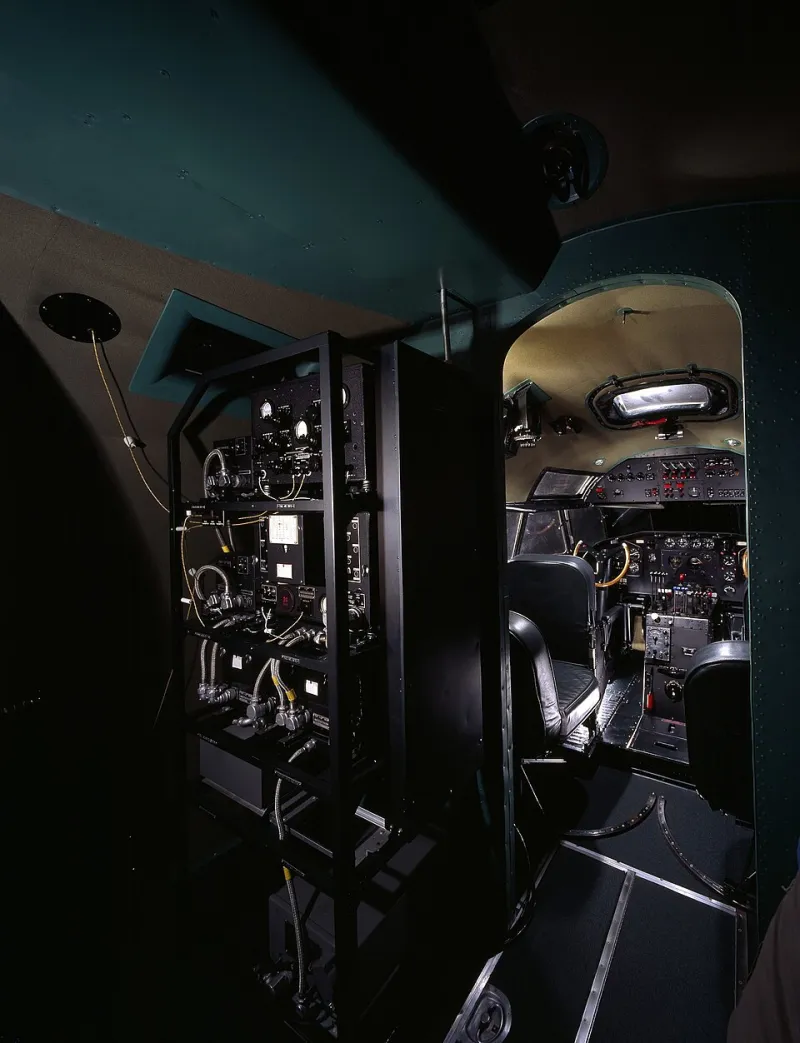
Photo: Boeing Aircraft Co, CC0, via Wikimedia Commons
Nobody boards a flight hoping to make an enemy. Yet somewhere over the Midwest, at 30,000 feet, four inches of backward travel can turn two strangers into adversaries for the next three hours — and neither of them will say a single word about it until somebody sighs loud enough for the entire row to hear.
The instrument of this slow-motion conflict is a small plastic button on the armrest, usually stamped with a seatback icon and a warning label that appears to have been printed in 1994. Press it, lean back, and you have technically done nothing wrong. You have also just declared war.
A Button That Should Never Have Had This Much Power
Airplane cabins are one of the last genuinely zero-sum spaces in American life. The legroom one passenger enjoys is legroom another passenger loses. This isn't a metaphor for anything — it's a literal quantity of cubic feet, migrating backward, at somebody else's expense. Nobody agreed to the arrangement. It came bundled with the ticket, along with the tiny pretzels and the existential dread.
The standoff endures because both sides have a real claim and a rotten way of pressing it. The recliner points at the button. The person behind points at the laptop now pinned to their sternum. There is no federal rule dictating who wins, which means the whole thing gets settled the way most American disputes get settled: through atmosphere.
Army One: The Recliners
The recliner's case is clean and, annoyingly, correct. The seat was engineered to recline. The button exists. The airline sold a ticket with a reclining seat in it, and using a feature you paid for is not a crime. They also tend to note, with the serene confidence of someone who has never been trapped behind themselves, that the person behind can recline too.
What gives recliners their reputation is not the act but the timing. There is the Mid-Sentence Recline, executed without eye contact or warning while the person behind is mid-swallow. There is the Aggressive Full-Tilt, in which the seat goes back in one decisive shove rather than increments. And there is the Classic Denial — the recliner who spends the rest of the flight pretending the seat drifted backward on its own.
Army Two: The Tray-Table Defender
The defender's position is that personal space ends where your seatback begins, and that this boundary was established by God, gravity, and the shape of a laptop screen. Defenders are easy to spot: they're the ones clamping a plastic tray with two thumbs while a beverage inches toward the edge, or typing with their wrists hovering in a position their chiropractor will hear about later.
The defender's strongest argument is economic. Recliners in economy are usually reclining into someone who paid the same fare for the same six inches. The defender's weakest argument is that they never say any of this out loud until hour two, at which point it arrives as a pointed throat-clear.
The Red-Eye Exemption Nobody Writes Down
Here's where the two camps quietly agree on something. On a red-eye, the plane reaches a collective understanding within twenty minutes of takeoff: seats go back, shades come down, and anyone who stays upright is politely suspected of being a narc. The same full recline at 2 p.m. on a ninety-minute hop to Columbus, however, reads as an act of pure aggression.
There are other unofficial windows. Most frequent flyers grant a grace period after takeoff, then expect seats to come up during drink and snack service. The person who reclines straight through the beverage cart's arrival — forcing a flight attendant into a Yoga pose over a tray table — has forfeited all moral standing for the remainder of the trip.
The Kneepad and Other Weapons of the Powerless
Because the defender cannot win openly, they innovate. The most infamous tool is the knee defender: a small clamp that locks the seat in front from reclining. Major US carriers have banned the device, which tells you everything about how often people were actually using it.
Then come the low-grade retaliations. The tray-table slam. The repeated bump on the way to the lavatory. The theatrical sigh. The kick pattern so rhythmically gentle it could plausibly be accidental. These moves never resolve anything. They just move the argument from the armrest to the ankles.
Your Flight Attendant Is Not a Referee
Flight attendants get pulled into this fight more than any other, and they have no actual authority to settle it. Their standard play is diplomacy: a sympathetic nod, a suggestion that maybe we could all raise our seats during service, and a silent prayer that the two adults in row 24 will act like it.
Asking a flight attendant to force a stranger's seat upright is the aviation equivalent of flagging down a waiter to settle who pays. Technically possible. Socially catastrophic.
The Verdict That Will Satisfy Absolutely No One
Here's the ruling, and yes, both sides will hate it.
Reclining is legal and should stay legal. Do it slowly, do it after the drink service, and do it with a glance backward — a half-second of eye contact converts a sneak attack into a negotiation. On flights under ninety minutes during daylight hours, stay upright unless the person behind has already gone back; the whole cabin knows the difference between comfort and a statement.
If you're the one behind: never deploy a kneepad, never kick, and never narrate your suffering to the row. If you truly need the space for work, book the exit row — those seats don't recline, which is the trade you're making. And if you're stuck behind a full-tilt sleeper, tap the shoulder and ask. Most people say yes. Almost nobody says yes to a sigh.
That's the ruling. Now watch an entire cabin ignore it before the plane even reaches cruising altitude. Which, honestly, is the most Squabbles outcome imaginable.