Hot Cup, Cold Cup, Don't You Dare Judge My Cup: America's Drink Temperature Obsession Is Out of Control
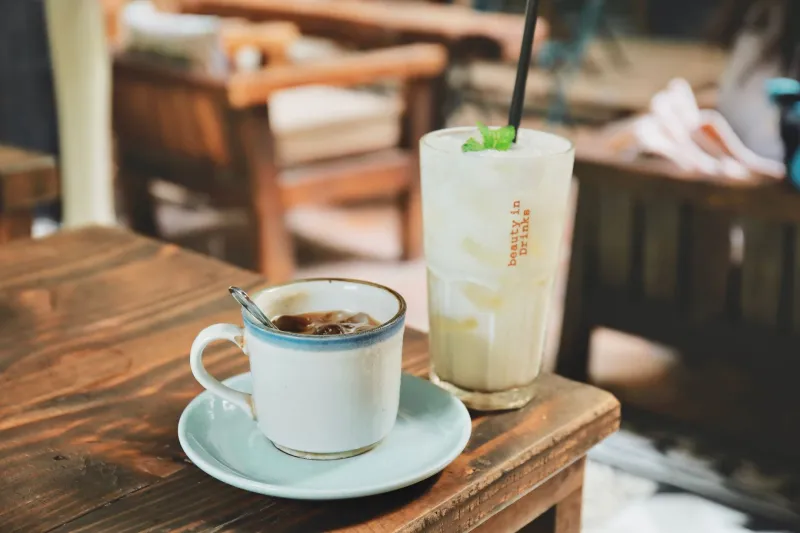
It is seventeen degrees outside. There is frost on the windshield. A rational person might reach for something warm. And yet, there she is — third in line at the drive-through, ordering a venti iced caramel macchiato with extra ice, completely unbothered by the meteorological situation outside the car window.
She is not alone. She has never been alone. And she is absolutely tired of explaining herself.
America's relationship with beverage temperature has become one of the more quietly passionate cultural debates of the last decade, fueled by the rise of coffee shop culture, social media aesthetics, and the deeply human need to have opinions about what strangers put in their cups.
The Cold Drink All Year Long Coalition
Let's start with the iced-everything crowd, because they are large, they are loud, and they have the Starbucks receipts to prove their point.
The year-round iced coffee movement isn't some quirky Gen Z trend that appeared out of nowhere. It's the logical endpoint of a coffee culture shift that's been building since cold brew hit mainstream menus around 2015. Before that, iced coffee was a summer thing — a seasonal treat, like a McRib but caffeinated. Then cold brew showed up with its smoother, less acidic flavor profile, its higher caffeine content, and its Instagram-ready aesthetic, and suddenly ice in your coffee became a twelve-month lifestyle.
There's also a practical argument that the iced camp makes, and it's not stupid: if you're drinking coffee primarily for the caffeine hit rather than the warming ritual, temperature is basically irrelevant. You want the coffee to do its job. The ice is just the delivery mechanism. Cold brew drinkers will also tell you — correctly — that the flavor profile of a good cold brew is genuinely different from its hot counterpart, not just a chilled version of the same thing. It's a different product that happens to share ingredients.
And then there's the comfort factor, which is deeply personal and not subject to outside logic. Some people find iced drinks soothing regardless of the weather. Some people run hot and find a warm drink in winter genuinely uncomfortable. Some people just like what they like, and the calendar is not their boss.
The Hot Drink Traditionalists Are Not Backing Down
On the other side of this thermostat, you've got the hot-drink loyalists — and they have been watching the iced coffee takeover with barely concealed concern.
The traditionalist argument is partly about seasonality and the sensory experience of matching your drink to your environment. There is something genuinely comforting about wrapping your hands around a warm mug when it's cold outside — a tactile, almost primal comfort that a plastic cup full of ice simply cannot replicate. Hot tea drinkers in particular tend to feel this deeply. The ritual of steeping, the warmth, the slow sipping — it's not just a drink, it's a vibe, and that vibe does not translate to iced.
There's also a regional element worth noting. In the South, sweet iced tea has been a year-round staple forever, so the concept of cold drinks in winter isn't foreign. But in the Northeast or the Midwest, where winters are genuinely brutal, ordering iced anything in February still reads as a minor act of chaos to a certain generation of coffee drinkers.
The hot drink contingent also sometimes leans on health claims — warm drinks aid digestion, hot water with lemon is a morning ritual, etc. — though nutritionists are pretty clear that the temperature of your beverage doesn't dramatically change its health profile either way. But people are going to cite it, and you're not going to stop them.
The Environmental Side of This That Nobody Wants to Hear
Here's the part of this debate that tends to make iced coffee lovers momentarily uncomfortable before they order another one anyway: ice has an environmental footprint.
Commercial ice production is energy-intensive. The cups used for cold drinks — often plastic, often with lids and straws — generate significantly more waste than a ceramic mug or even a paper hot cup. A grande hot coffee at a coffee shop, consumed in a ceramic mug on-site, has a dramatically smaller environmental impact than a grande iced coffee in a single-use plastic cup with a plastic straw and a plastic dome lid.
This is not a reason to shame anyone for their drink order. People make thousands of small environmental trade-offs every day, and singling out iced coffee drinkers while ignoring everything else is a selective outrage move. But it is a real consideration that occasionally surfaces in these debates, usually from the person in the group who brings their own reusable cup and is waiting for someone to notice.
Why Does Anyone Care What's in Your Cup
This is the real question, isn't it? Why does beverage temperature generate such strong opinions from people who are not, in fact, drinking your drink?
Part of it is the way coffee culture has become identity culture. Your order isn't just a caffeine preference — it's a signal. The person who orders black hot coffee is signaling something. The person with the complicated iced drink with six customizations is signaling something else. People read those signals and make judgments, which is a deeply human thing to do and also a little exhausting.
There's also the social pressure element that kicks in when you're ordering with a group. Someone orders hot, someone orders iced, and suddenly there's this low-grade awareness that the two choices are being compared. The hot-drink person feels vaguely judged for being boring. The iced-drink person feels vaguely judged for being a child who doesn't know what real coffee is. Nobody says anything out loud. Everyone feels something anyway.
Social platforms haven't helped. TikTok is absolutely overrun with iced coffee content — the aesthetic of a tall cup with condensation and a colorful straw is genuinely compelling on video in a way that a mug of black coffee simply isn't. This has contributed to iced drinks feeling like the younger, cooler option, which in turn has made hot drink preference feel like a generational statement even when it's just a preference.
The Bottom of the Cup
Here's the thing: nobody is wrong here. Hot drinks are great. Cold drinks are great. The idea that the weather outside should dictate what temperature liquid you consume is a social norm, not a law of physics.
But the debate isn't really about the drinks. It's about the very human tendency to take something personal — something as small and private as what you want to drink — and turn it into a referendum on who you are. Your iced coffee in January isn't a personality flaw. Your hot tea in August isn't a character weakness.
It's just a drink.
A delicious, deeply personal, apparently very controversial drink.
Order what you want. Defend it on Squabbles. We'll be here.