The Bin Wars: How Garbage Day Became the Most Contested Event in Your Neighborhood
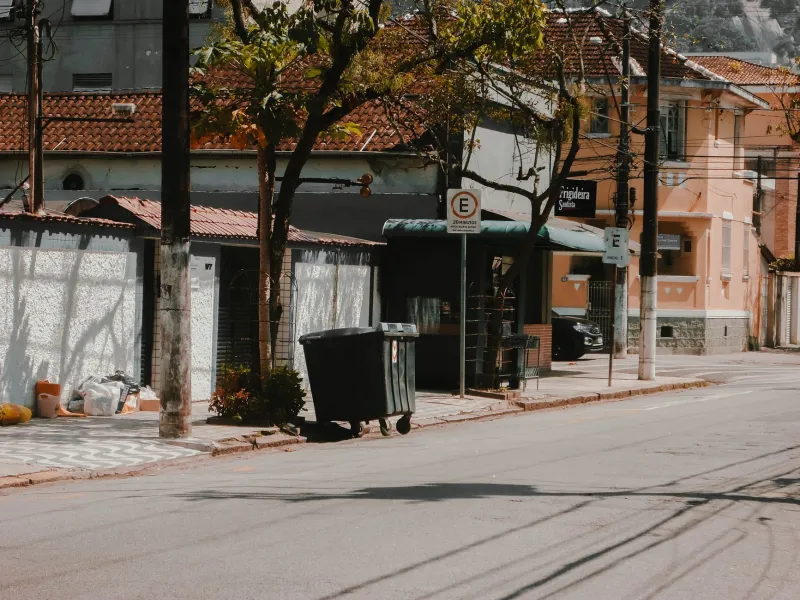
It starts innocently enough. You roll your bin to the curb, maybe the night before, maybe the morning of, and you go back inside without a second thought. Simple. Civilized. Done.
Except your neighbor across the street watched the whole thing from her kitchen window and is now composing a passive-aggressive text to the neighborhood Facebook group.
Welcome to trash day — the one weekly event that somehow manages to surface every buried grievance, unspoken expectation, and deeply held belief about what it means to live next to other human beings. On Squabbles, we love the debates that seem small on the surface but run surprisingly deep. This one? It runs all the way to the curb.
The Night-Before vs. Morning-Of Divide
This is ground zero. The original sin. The fork in the road where neighborhoods split into factions.
Night-before people have their logic locked and loaded: You're not scrambling at 6 a.m. You're not risking a missed pickup because you forgot. You're prepared, responsible, and frankly a little smug about it. The bin is out, the job is done, and you slept like a person who has their life together.
Morning-of people find this absolutely unacceptable. Bins sitting on the curb overnight look messy. They invite wind. They invite raccoons. They invite the kind of visual chaos that makes a street look like nobody cares. And if the wind does catch that lid and sends it skidding into someone's bumper at 11 p.m.? That's a whole different conversation.
Neither side is entirely wrong. That's what makes it so combustible. There's no HOA bylaw in the world specific enough to fully settle it, and even when there is one, half the block hasn't read it.
The Visibility Problem
Here's where things get genuinely philosophical: should your trash bins ever be visible from the street when it's not garbage day?
For a certain type of homeowner — and you know exactly the type — the answer is an emphatic, deeply felt no. Bins belong in the garage, behind a fence, tucked into a side yard, or otherwise hidden from polite society. Visible bins, to this crowd, signal neglect. They drag down property values. They suggest that the person living there just doesn't care about the shared visual environment of the neighborhood.
For another type of homeowner — also completely valid, also very real — this is one of the most exhausting takes they've ever heard. It's a trash can. It holds trash. It lives outside. Demanding that neighbors landscape around their garbage storage is a level of aesthetic gatekeeping that belongs in a home design magazine, not a real street where real people live real lives.
This debate has real stakes. Real estate listings have been scrutinized for visible bin placement. HOA violations have been filed. Neighbors have stopped waving at each other over a 32-gallon Rubbermaid container sitting four feet too close to the driveway.
The Retrieval Timeline Is Also a Whole Thing
Okay, so the bins went out. The truck came. The bins are now empty and sitting at the curb. When do they come back in?
If your answer is "same day, within a few hours" — congratulations, you are considered a model citizen by approximately half your block.
If your answer is "whenever I get around to it" — you have enemies you don't know about.
The retrieval window is the second act of trash day drama. Bins left at the curb past sundown on pickup day are a neighborhood red flag to some people. By the next morning, you're officially That House. By the weekend, someone is definitely mentioning it in a group chat you're not in.
Is this reasonable? Probably not entirely. But feelings about it are real, and in close-quarters suburban living, real feelings have consequences.
Why Does Any of This Actually Matter?
Here's the honest answer: it doesn't, and it also completely does.
On a purely logical level, the timing of your bin placement affects essentially nothing about anyone else's actual quality of life. But neighborhoods aren't logical systems — they're social ones. And in social systems, small behaviors carry outsized symbolic weight.
When someone puts their bins out three days early, their neighbors don't just see a trash can. They see a signal. Maybe it's carelessness. Maybe it's a lack of awareness. Maybe it's just someone who works weird hours and is doing the best they can. The bin doesn't tell you which one it is, so people fill in the blank with whatever story fits their existing feelings about that neighbor.
That's the real engine driving the Bin Wars. It's not about garbage. It's about the ongoing, unspoken negotiation of what kind of place you all want to live in — and who's actually committed to maintaining it.
The Squabble That Never Ends
What makes this debate so perfectly suited to Squabbles is that there's no clean resolution. You can't vote on the correct bin retrieval time. You can't legislate the night-before question into a satisfying answer. You can post a politely worded note in the neighborhood app, but we all know how that goes.
What you can do is recognize that your neighbors' trash habits are a window — however grimy — into how they think about shared space, community obligation, and the social contract of living close to other people. And sometimes understanding that is enough to take the edge off.
Or you can just keep a mental tally and bring it up at the next block party. That works too.
So where do you land? Night before or morning of? Bins tucked away or left in plain sight? Drop your take in the comments, because this is exactly the kind of argument that sounds ridiculous until you're in it — and then it's the only thing that matters.